One of the hardest lessons in life is realizing that not everyone will cheer for you. Sometimes the people you expect to be your biggest supporters—family, close friends, or coworkers—turn out to be silent when you succeed, or worse, critical when you try something new.
It’s painful. But it doesn’t mean your dreams are wrong. And it definitely doesn’t mean you’re alone.
Here’s how to keep your strength when the support you hoped for doesn’t show up.
1. Understand That People Project Their Fears
When people dismiss your goals or criticize your decisions, it often has more to do with them than with you. Maybe they’re afraid of change. Maybe your growth makes them uncomfortable with their own stagnation. Maybe they love you, but their love is tangled in fear or control.
Try to remember: unsupportive reactions usually reflect their inner world—not your worth.
2. Affirm Yourself Loudly and Often
If you’re not getting encouragement from others, it becomes even more important to give it to yourself.
Start saying what you wish they would say:
“I’m proud of you for trying.”
“This matters to you, and that’s enough.”
“Keep going—you’ve got this.”
Write those affirmations down. Put them on your mirror. Speak them out loud. You are your own home base. Make it a strong one.
3. Build a Chosen Circle
Just because someone is related to you doesn’t mean they’re equipped to support your journey. That’s okay. You can find support elsewhere.
Look for people who:
Celebrate your wins, even the small ones
Let you talk through your struggles without minimizing them
Want to see you thrive—even when it challenges them
Your chosen family—friends, mentors, online communities—can become your loudest, truest supporters.
4. Let Their Silence Fuel Your Strength
When someone doubts you, you don’t have to convince them. You don’t owe them explanations or justifications. Let their silence become motivation—not because you need to prove them wrong, but because you know deep down you’re already right to keep going.
Some of the strongest people in the world built resilience in the quiet—when no one clapped, no one showed up, and no one believed in them… yet.
5. Focus on Your Mission, Not Their Opinions
What’s more important—pleasing others, or living authentically?
When you’re clear on why your dream matters, it’s easier to keep walking even when the path gets lonely. You weren’t born to shrink yourself down to fit inside someone else’s comfort zone. You were born to expand, create, and lead with heart.
Your journey might not make sense to everyone. That’s okay. It only has to make sense to you.
💬 Final Thoughts
You might not have a cheering section today. But you still have what it takes to carry on. Your vision is valid. Your courage is real. And even when others don’t show up for you—you can show up for yourself.
In an era of increasing environmental challenges, healthcare leaders are uniquely positioned to drive sustainability within their organizations. The healthcare sector is responsible for a significant portion of global carbon emissions, resource consumption, and waste production. As stewards of both human and planetary health, healthcare leaders have a responsibility to promote environmentally responsible practices that benefit patients, communities, and future generations.
Why Sustainability Matters in Healthcare
Healthcare institutions consume vast amounts of energy, water, and materials. From operating rooms with intensive energy demands to the single-use plastics common in clinical settings, the environmental impact of healthcare is profound. According to Health Care Without Harm, if the global healthcare sector were a country, it would be the fifth-largest emitter of greenhouse gases.
Climate change, pollution, and environmental degradation also directly impact public health. Rising temperatures, poor air quality, and water scarcity contribute to a range of health issues, including respiratory diseases, heat-related illnesses, and the spread of infectious diseases. Addressing these challenges requires systemic change, beginning with leadership at the top.
Key Areas Where Healthcare Leaders Can Promote Sustainability
1. Establishing a Sustainability Vision and Strategy
Leadership must articulate a clear vision for environmental sustainability that aligns with the organization’s mission and values. This includes:
Developing a comprehensive sustainability plan with measurable goals
Integrating sustainability into the organization’s strategic priorities
Communicating the importance of sustainability to all stakeholders
Building cross-departmental sustainability committees
By embedding sustainability into the strategic framework, leaders signal its importance and set the tone for organization-wide engagement.
2. Reducing Energy Consumption and Carbon Emissions
Energy use in hospitals is a major contributor to healthcare’s carbon footprint. Leaders can champion initiatives that reduce energy consumption and increase the use of renewable energy sources, such as:
Retrofitting buildings with energy-efficient lighting, HVAC systems, and insulation
Investing in solar panels, geothermal systems, and green roofs
Conducting energy audits to identify and address inefficiencies
Participating in carbon offset and net-zero programs
These efforts not only reduce environmental impact but also lead to long-term cost savings.
Source eco-friendly and sustainable products, including medical supplies, furnishings, and cleaning products
Work with vendors committed to environmental responsibility
Minimize single-use plastics and promote reusable alternatives
Prioritize suppliers with transparent and ethical practices
Sustainable procurement practices ensure that environmental considerations are factored into purchasing decisions.
4. Minimizing Waste and Improving Waste Management
Healthcare generates various types of waste, including hazardous, infectious, and general waste. Leaders can:
Implement waste segregation and recycling programs
Reduce reliance on disposable items
Educate staff on proper waste handling and reduction
Partner with waste management providers that follow environmentally sound practices
Reducing waste not only benefits the environment but also mitigates costs associated with disposal and compliance.
5. Promoting Water Conservation
Water is essential in healthcare operations, from sterilization to sanitation. Healthcare leaders can promote water efficiency by:
Installing low-flow faucets, toilets, and showers
Conducting water audits and leak detection assessments
Using water-efficient landscaping techniques
Recycling non-potable water for irrigation and cooling systems
Effective water management reduces environmental impact and ensures long-term resource availability.
6. Building Sustainable Infrastructure
Facility design and construction have a lasting impact on environmental performance. Leaders involved in new construction or renovation projects should prioritize green building standards, such as:
Pursuing LEED (Leadership in Energy and Environmental Design) certification
Selecting sustainable building materials
Incorporating natural lighting and ventilation
Designing for resilience against climate-related events
Sustainable buildings contribute to improved patient well-being and lower operating costs.
7. Fostering a Culture of Sustainability
A successful sustainability strategy depends on the active participation of all staff. Leaders can foster a culture of sustainability by:
Providing training and education on environmental practices
Encouraging employee-led green teams and initiatives
Celebrating sustainability achievements and milestones
Including sustainability metrics in performance evaluations
When sustainability becomes part of the organizational DNA, it influences behavior at every level.
8. Engaging Patients and the Community
Healthcare organizations can extend their sustainability impact by engaging patients and communities. Leaders can:
Educate patients on health-related environmental issues (e.g., air quality, climate impacts)
Support community gardens, local food initiatives, and public transportation
Collaborate with schools, businesses, and local governments on sustainability projects
Share sustainability successes and lessons through transparent reporting
Community engagement strengthens public trust and promotes collective environmental stewardship.
9. Advocating for Policy and Industry Change
Healthcare leaders have a powerful voice in public policy and industry standards. They can advocate for:
Stronger environmental regulations and climate policies
Incentives for sustainable healthcare practices
Research and innovation in sustainable medical technologies
Collaboration with industry peers to set shared sustainability goals
By influencing policy and collaborating across sectors, leaders can amplify their impact and accelerate systemic change.
Measuring Impact and Ensuring Accountability
To ensure progress, healthcare leaders must track sustainability efforts using data and key performance indicators (KPIs). Effective approaches include:
Benchmarking against industry standards and best practices
Holding departments accountable for sustainability goals
Transparency and accountability build trust and drive continuous improvement.
The Long-Term Benefits of Sustainability in Healthcare
While the initial investment in sustainability initiatives may be significant, the long-term benefits are substantial:
Financial Savings: Reduced energy and resource consumption lead to lower operational costs.
Improved Health Outcomes: Cleaner air, water, and environments contribute to better public health.
Enhanced Reputation: Sustainability leadership boosts an organization’s brand and attracts environmentally conscious patients and staff.
Regulatory Compliance: Proactive sustainability measures prepare organizations for future regulations.
Resilience: Sustainable infrastructure is more adaptable to climate-related disruptions.
Conclusion
Sustainability is no longer a choice; it is an imperative for healthcare leaders committed to advancing human and environmental health. By embedding sustainability into strategy, operations, culture, and community engagement, leaders can drive meaningful change that benefits both current and future generations.
As the guardians of public health, healthcare leaders must recognize that promoting sustainability is not just an operational decision—it is a moral responsibility.
We’ve all been there—everything was moving in the right direction, and suddenly, the rug gets pulled out from under us. A job offer falls through, a relationship ends, or a dream project fizzles out. The future you mapped out disappears like mist, and you’re left holding broken pieces of your plan, wondering what comes next.
If that’s where you are right now, take a breath. This isn’t the end of your story—it’s just a plot twist.
1. Let Yourself Feel It
Before you rebuild, you have to let yourself feel the collapse. Grieve the version of your life that didn’t work out. Cry if you need to. Vent to someone who gets it. You don’t have to jump straight into “finding the silver lining.” Resilience doesn’t mean emotional denial—it means staying soft and hopeful even after life cracks you open.
2. Zoom Out and Regroup
Sometimes when your plans fall apart, it’s not because you failed—it’s because life is making room for something better. When you’re too close to the chaos, it can be hard to see anything but disappointment. Take a step back and ask:
What did this plan mean to me?
What values or hopes was it based on?
Are there other ways to reach those same goals?
This is a moment to realign, not retreat.
3. Focus on What’s Still in Your Control
When plans collapse, we often feel powerless. But even in the mess, there are things you can still control—your attitude, your next step, your self-talk. Maybe you can’t fix what happened, but you can decide not to let it break your spirit. That’s powerful.
This new version of your life might look different than what you envisioned—but it can still be beautiful. In fact, it can be more true to who you are now. When old plans fall away, they often reveal parts of ourselves we hadn’t fully explored yet.
Ask yourself:
What do I want now?
What did I learn?
How can I grow from this?
This isn’t starting over—it’s starting forward.
5. Remember: You’ve Made It Through Before
Whatever you’re facing, chances are you’ve overcome hard things before. Think back—when was the last time life surprised you in a good way? When did you think you’d never bounce back… but you did?
Let that reminder be your anchor: You are not defined by your setbacks—you are built by how you rise from them.
💬 Final Thoughts
When your plans fall apart, it can feel like the ground has disappeared beneath you. But you are still standing. And sometimes, standing is enough. From there, you can walk. And from walking, you can run again.
Give yourself grace. Give yourself time. The path ahead is still yours to write.
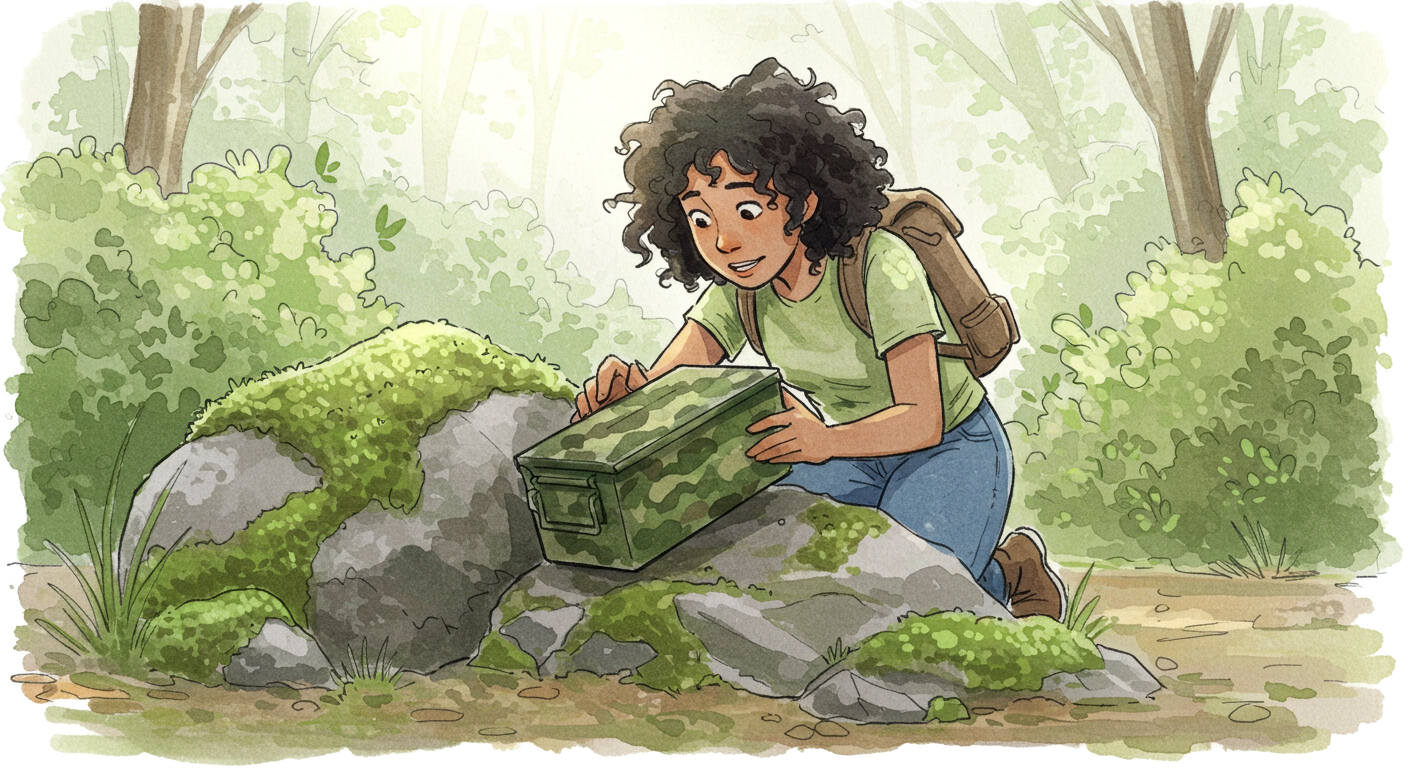
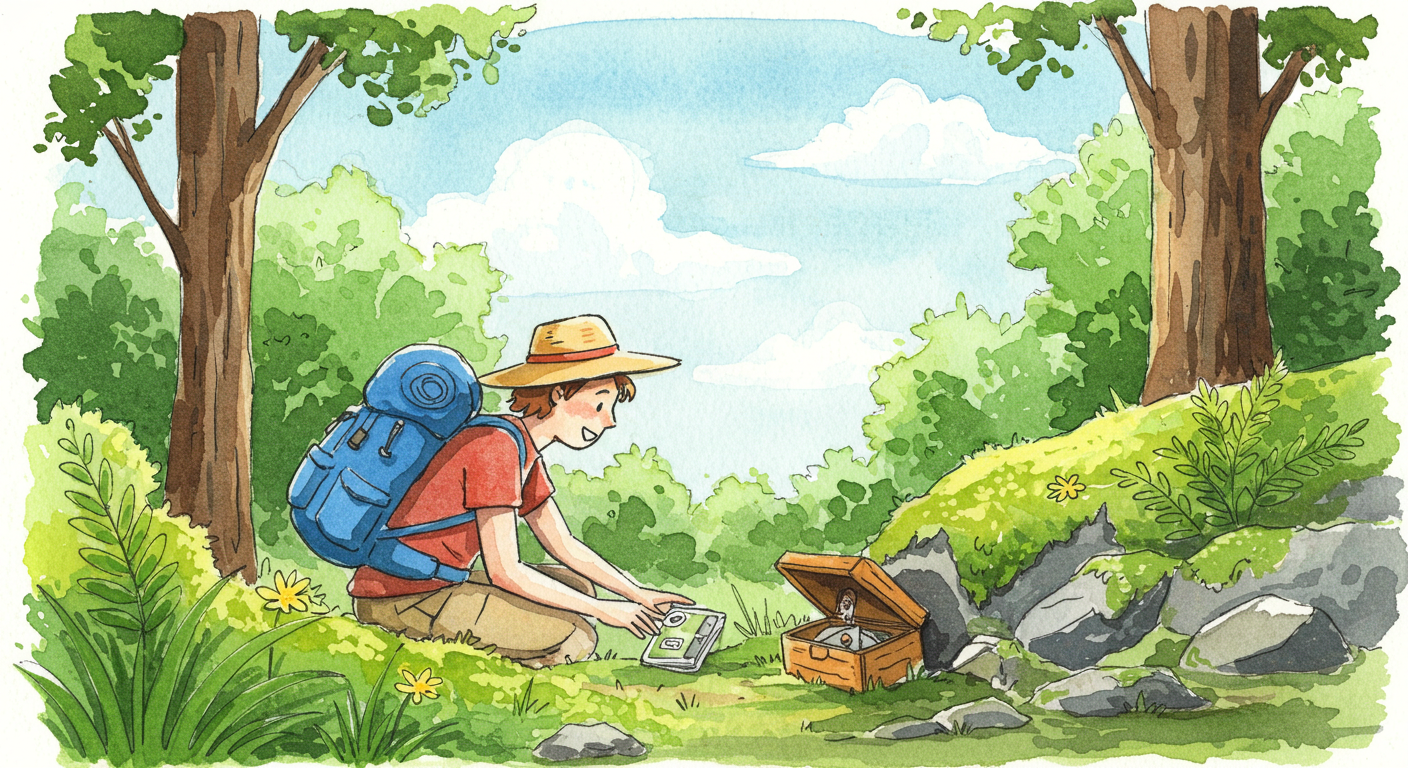
A geocaching road trip combines adventure, exploration, and the thrill of the hunt. Whether you’re traveling to a new state or just taking a weekend getaway, planning ahead ensures a smooth and enjoyable experience. In this guide, we’ll cover everything you need to know to plan the perfect geocaching road trip.
1. Choose Your Destination and Route
The first step in planning a geocaching road trip is deciding where you want to go. Consider:
Scenic Drives – National parks, coastal highways, or countryside roads often have geocaches in stunning locations.
Geocache Density – Check the Geocaching app or website to see how many caches are available along your route.
Specialty Geocaches – Look for highly rated caches, gadget caches, or historic ones that add unique experiences to your trip.
Pro Tip: Use Pocket Queries on Geocaching.com to generate a list of caches in your chosen area.
2. Plan Your Geocache Stops
Once you have a route, pinpoint key geocaches to target. Balance your trip with a mix of:
Quick Park-and-Grabs – Great for making progress without long delays.
Scenic or Hiking Caches – Perfect for stretching your legs and enjoying nature.
EarthCaches and Virtual Caches – Learn something new while exploring a location.
Challenges and Puzzle Caches – Add variety and mental challenges to your adventure.
Use the Geocaching app’s offline feature to download maps and cache details in case of poor signal.
3. Pack Your Geocaching Essentials
A well-packed geocaching bag can make all the difference on your trip. Bring:
Smartphone or GPS Device – Ensure it’s fully charged with offline maps.
Extra Batteries or Power Banks – Stay powered up for long days.
Pen and Notebook – Some caches may have full or missing logs.
Trade Items and Trackables – If you plan to swap items, bring quality swag.
First Aid Kit – Always be prepared for minor injuries.
Flashlight or Headlamp – Useful for night caching or dark hiding spots.
Gloves and Tweezers – Some caches are hidden in tricky places.
Snacks and Water – Stay hydrated and energized.
4. Prepare for Different Terrains and Weather
You might encounter a variety of environments during your trip. Check cache descriptions for difficulty and terrain ratings. Plan accordingly:
Hiking Boots or Comfortable Shoes – Essential for rough trails.
Bug Spray and Sunscreen – Protect yourself from insects and sunburn.
Rain Gear or Extra Clothes – Weather can change quickly, especially in mountainous areas.
Maps or Compass – Useful if you lose GPS signal in remote areas.
5. Set Realistic Goals
Avoid overloading your trip with too many caches. Consider:
Time Per Cache – Some take minutes, while others (multi-caches or high-terrain hides) take longer.
Driving vs. Walking Balance – Long hikes take time but offer rewarding finds.
Breaks and Meals – Plan food stops to avoid geocaching on an empty stomach.
Pro Tip: Have a backup plan! Some caches might be missing or inaccessible when you arrive.
6. Log Your Finds as You Go
Stay organized by logging your finds in real time or taking notes to log them later. Include:
Memorable Details – Describe your experience, location, or challenges.
Appreciation for the Cache Owner – A simple “TFTC” (Thanks for the Cache) is nice, but a thoughtful log is even better.
DNFs (Did Not Find Logs) – Help the community by reporting if a cache seems missing.
Uploading photos (without spoilers) adds value to your log and helps others see what the adventure was like!
7. Stay Safe and Respect Nature
Safety is key during a geocaching road trip. Follow these best practices:
Tell Someone Your Route – Especially if geocaching in remote areas.
Cache with a Buddy – Traveling with friends or family is safer and more fun.
Respect Private Property – Always geocache within legal and permitted areas.
Follow Leave No Trace Principles – Pack out trash and leave nature as you found it.
8. Have Fun and Enjoy the Journey!
A geocaching road trip is about more than just numbers—it’s about adventure, discovery, and making memories. Take your time, explore unique locations, and embrace the unexpected detours along the way. Happy caching!
When crafting a compelling story, few elements are as crucial as character motivation. A well-defined motivation not only drives the plot but also creates a deeper connection between the reader and the characters. Whether you’re writing a novel, short story, or screenplay, understanding why your characters act the way they do adds authenticity and depth to your storytelling.
What Is Character Motivation?
Character motivation is the underlying reason a character behaves in a certain way. It’s the force that compels them to make decisions, take action, and ultimately change (or resist change) throughout the story. Motivation can stem from internal desires, external conflicts, past traumas, or personal goals.
For instance, consider a detective obsessed with solving a cold case. His motivation might be rooted in guilt over a past mistake or a promise made to a loved one. This driving force influences his every move, creating tension and intrigue for the reader.
Why Character Motivation Matters
Drives the Plot – A story moves forward based on characters’ decisions, which are guided by their motivations. Without clear motivations, actions can feel random or forced.
Creates Relatable Characters – Readers connect with characters who have understandable and relatable motivations, even if they don’t agree with their choices.
Enhances Conflict – When characters have conflicting motivations, it adds layers of drama and complexity to the story.
Strengthens Theme – Motivation often ties into the story’s deeper themes, reinforcing the message you want to convey.
Types of Character Motivation
Character motivations generally fall into two broad categories:
Intrinsic Motivation – Internal desires that drive a character, such as love, revenge, self-improvement, or the need for belonging.
Extrinsic Motivation – External pressures that influence behavior, like financial gain, societal expectations, or survival.
A strong character often has a mix of both. For example, in Les Misérables, Jean Valjean’s motivation starts as extrinsic (escaping the law) but evolves into an intrinsic desire to do good.
How to Develop Strong Character Motivations
Ask “Why?” – For every major action a character takes, ask yourself why they are doing it.
Give Them a Backstory – Past experiences shape motivations. Consider how your character’s history influences their present actions.
Make It Personal – The stronger and more personal the motivation, the more believable it will be.
Show, Don’t Tell – Instead of stating a character’s motivation outright, let it unfold through their actions and dialogue.
Common Pitfalls to Avoid
Vague Motivations – A character with an unclear or weak motivation will feel aimless.
Inconsistent Motivations – Sudden changes in motivation without cause can make a character feel unrealistic.
Cliché Motivations – Avoid overused tropes unless you can add a fresh twist.
Conclusion
Character motivation is the heartbeat of any great story. By giving your characters strong, believable reasons for their actions, you create a narrative that resonates with readers. So, the next time you sit down to write, ask yourself: What truly drives my characters? The answer could be the key to unlocking a powerful and unforgettable story.
Do you have a favorite character whose motivation made them unforgettable? Share in the comments!
When we think of courage, we often picture grand, heroic acts—saving lives, making history, or standing up against impossible odds. But the truth is, courage isn’t always loud. Sometimes, it’s a quiet decision to keep going, speak up, or take a small step forward.
These small acts of courage—choosing hope over fear, showing kindness in difficult moments, or simply trying again—can change everything. They build confidence, create opportunities, and inspire others in ways we may never fully realize.
If you’ve ever doubted whether your small brave moments matter, here’s why they do.
1. Courage Starts with the Smallest Steps
You don’t have to be fearless to be brave. Courage isn’t the absence of fear—it’s taking action despite it.
Raising your hand when you’re unsure.
Reaching out for help when you need it.
Saying “no” to something that doesn’t align with your values.
Trying something new, even if you might fail.
These small decisions may not seem like much at the moment, but they build resilience over time. Each time you choose courage, you strengthen the belief that you can handle life’s challenges.
2. Courage Creates Momentum
One small act of bravery leads to another. The first time you speak up, take a risk, or step outside your comfort zone, it feels intimidating. But the more you do it, the easier it becomes.
💡 Think of courage like a muscle. The more you use it, the stronger it gets.
Even the tiniest step forward—sending that email, having a difficult conversation, or standing up for yourself—can open doors you never imagined.
3. Courage is Contagious
When you show courage, you inspire others to do the same.
The friend who sees you chase your dreams might start believing in their own.
The coworker who watches you speak up might find their voice, too.
The person struggling in silence might feel less alone because you shared your story.
Your small act of bravery could be the encouragement someone else needs to take their own leap of faith.
4. Courage Helps You Grow
Staying in our comfort zones feels safe, but nothing changes there. Growth happens when we face our fears, take risks, and challenge ourselves.
Every time you choose courage—whether it’s making a tough decision, embracing change, or standing up for yourself—you’re becoming stronger, wiser, and more resilient.
Even if things don’t go perfectly, you’ll walk away with experience, wisdom, and the knowledge that you’re capable of more than you thought.
5. Small Acts of Courage Shape Your Story
Looking back, some of the most defining moments in life start with a single brave choice. Maybe it was:
✨ Choosing to believe in yourself when others didn’t. ✨ Saying “yes” to an opportunity that scared you. ✨ Walking away from something that no longer served you. ✨ Holding on when things were hard—or letting go when it was time.
These moments may not seem like much in the moment, but they shape your journey in powerful ways.
Conclusion
Courage doesn’t have to be dramatic or world-changing. Sometimes, it’s as simple as showing up, speaking up, or trying again.
No matter how small, every act of courage matters. It builds strength, creates new possibilities, and inspires those around you.
So today, take one small brave step. You never know how much it could change. 💛
Logging a geocache is more than just marking it as “found.” A well-written log enhances the experience for other geocachers, acknowledges the cache owner’s efforts, and contributes to the overall geocaching community. Whether you’re a beginner or a seasoned cacher, logging properly ensures the game remains enjoyable for everyone.
In this guide, we’ll cover the steps to logging a geocache the right way, from signing the physical log to writing a great online log.
1. Sign the Physical Logbook
Once you find the geocache, it’s important to sign the physical logbook inside the container. Follow these best practices:
Use Your Geocaching Username – This keeps records consistent and allows the cache owner to verify finds.
Date Your Entry – Write the date you found the cache to help track activity.
Leave a Brief Note – You can add a simple “Thanks for the cache!” or something more personalized.
Handle with Care – Be sure to reseal the logbook and place everything back as you found it to maintain the integrity of the cache.
If the logbook is full, damp, or missing, note this in your online log so the cache owner can replace it.
2. Log Your Find Online
Logging your find online helps cache owners keep track of activity and lets future seekers know what to expect. Here’s how to do it properly:
Go to the Cache Listing – Open the Geocaching app or website and navigate to the cache you found.
Choose the Correct Log Type:
Found It – If you located the cache and signed the logbook.
Did Not Find (DNF) – If you couldn’t find the cache after a reasonable effort.
Write Note – If you want to share an update without marking it as found or DNF.
Needs Maintenance – If the cache or logbook is damaged.
Write a Descriptive Log – Share your experience, but avoid spoilers that could ruin the fun for others.
3. Write a Quality Log Entry
A well-written log entry adds to the experience and appreciation of the game. Here’s what to include:
Mention the Adventure – Briefly describe how the hunt went. Did you struggle? Was the location interesting?
Be Grateful – Thank the cache owner for their effort in placing and maintaining the cache.
Avoid Spoilers – Don’t give away exact hiding spots or details that could make it too easy.
Share Any Issues – If you noticed damage, missing items, or logbook issues, kindly mention them in your log.
Example Log:
“What an adventure! This cache took me a little longer to find, but the clever hiding spot made it worth it. Loved exploring this area – I never knew it existed! Thanks for the great hide, [Cache Owner’s Name]. TFTC!”
4. Upload Photos (If Allowed)
Adding photos can enhance your log, but be mindful of these guidelines:
No Spoilers – Avoid showing the exact hiding spot.
Respect Privacy – Don’t post photos of private property or people without consent.
Highlight the Adventure – Share scenic views, fun moments, or creative swag trades.
5. Log DNFs and Needs Maintenance
It’s just as important to log a Did Not Find (DNF) or Needs Maintenance (NM) log as it is to log a find. Here’s why:
DNF Logs Help the Community – If multiple DNFs appear on a cache, it alerts others that it may be missing or particularly difficult.
Needs Maintenance Logs Help Cache Owners – If a logbook is full, wet, or the container is broken, log an NM so the owner knows to check on it.
Example DNF Log:
“Gave it a solid 20-minute search, but no luck today! Will try again another time. The area was fun to explore, though!”
Example NM Log:
“Found the cache, but the logbook is completely soaked and unreadable. Might need replacing. Thanks for the fun hide!”
6. Respect Cache Owner Preferences
Some cache owners have specific requests or logging preferences. Read the cache description for:
Logging Requirements – Some caches may have challenges or virtual logging conditions.
Trackable Items Rules – If the cache contains trackable items, log them correctly before moving them.
Conclusion: Log Your Geocache Like a Pro
Logging a geocache properly is a key part of the geocaching experience. By signing the physical log, writing thoughtful online logs, and being considerate of the cache and its owner, you contribute to a better experience for everyone. So next time you find a cache, take a moment to log it the right way!
Boris Katloff, 2021-2025. Rest in peace my beautiful friend.
I never imagined life without Boris. He wasn’t just a pet—he was a constant, a presence woven into the fabric of my days. A gray sphynx with black-tipped ears and green eyes, he was more than a cat; he was my companion, my shadow, my quiet confidant. And now, he’s gone.
The grief hit hard, sharper than I expected. Boris wasn’t just a pet I loved; he was part of my identity. I built stories around him, shared my days with him, and in many ways, he inspired my creativity. His absence feels like a hollow space that can’t be filled.
At first, I let myself sink into the sadness. Grief demands to be felt, and I couldn’t push it away. I carried his memory into every room, expecting to see him perched somewhere, watching me with those knowing green eyes. The silence in the house became a reminder of what I’d lost.
But Boris wouldn’t want me to stay lost in grief. He was a cat of action—curious, adventurous, always moving forward. So I started looking for small ways to honor him while finding my own path forward.
Boris was more than just a house cat—he was an adventurer. He traveled with us everywhere, joining us on camping trips, riding on trains and planes, and always staying close. He was my constant companion, never far from my side. Every night, he would curl up next to me, a warm and steady presence that made every place feel like home. His adventurous spirit and unwavering loyalty made him more than a pet; he was family.
I let myself remember the joy. The way he’d curl up next to me while I worked, the little chirps he’d make when he wanted attention, the way he’d inspect everything with that intense feline curiosity. I wrote about him, capturing his spirit in words, knowing that even though he’s gone, his story will always be part of mine.
I also found comfort in talking about him. Sharing stories with those who knew him, and even those who didn’t, kept his presence alive. It’s easy to feel alone in grief, but I discovered that so many others have walked this path and understand. Grief shared is grief lessened, even if just a little.
Steps to Nurture Grief and Build Resilience
Grieving the loss of a beloved pet is a deeply personal journey, but there are ways to navigate the pain and move toward healing:
Allow Yourself to Feel – Don’t rush the process or suppress your emotions. Grief is a testament to the love you shared.
Create a Tribute – Whether it’s writing, creating art, or planting a tree in their honor, finding a way to celebrate their memory can be healing.
Talk About Them – Share memories with friends, family, or even online communities that understand the pain of pet loss.
Keep a Routine – Pets bring structure to our lives. Maintaining a routine can help ease the sense of emptiness.
Consider a Legacy Project – Volunteering at an animal shelter or supporting pet adoption initiatives can be a way to channel grief into something meaningful.
Seek Support – Grief groups, pet loss hotlines, and therapy can provide comfort when the sadness feels overwhelming.
Be Kind to Yourself – Healing takes time, and it’s okay to have good days and bad days. Give yourself the grace to heal at your own pace.
Journaling and Creative Expression – Writing down memories or creating art can be a powerful way to process grief.
Online Pet Memorials – Websites where you can create a digital tribute to your pet, keeping their memory alive in a meaningful way. Critters.com is one such example.
Slowly, I began to shift my focus from what I lost to what I had. Boris gave me years of companionship, laughter, and love. He taught me resilience—how to be bold, how to adapt, how to land on my feet even when I wasn’t sure I could. And so, in his memory, I remind myself to do the same.
If you’re grieving the loss of a pet, know that you’re not alone. The pain is real because the love was real. But that love doesn’t disappear; it transforms. It becomes the stories we tell, the lessons we carry, and the resilience we find in moving forward—always remembering, always loving, but also living.
Boris Katloff, 2021-2025. Rest in peace my beautiful friend
I never imagined life without Boris. He wasn’t just a pet—he was a constant, a presence woven into the fabric of my days. A gray sphynx with black-tipped ears and green eyes, he was more than a cat; he was my companion, my shadow, my quiet confidant. And now, he’s gone.
The grief hit hard, sharper than I expected. Boris wasn’t just a pet I loved; he was part of my identity. I built stories around him, shared my days with him, and in many ways, he inspired my creativity. His absence feels like a hollow space that can’t be filled.
At first, I let myself sink into the sadness. Grief demands to be felt, and I couldn’t push it away. I carried his memory into every room, expecting to see him perched somewhere, watching me with those knowing green eyes. The silence in the house became a reminder of what I’d lost.
But Boris wouldn’t want me to stay lost in grief. He was a cat of action—curious, adventurous, always moving forward. So I started looking for small ways to honor him while finding my own path forward.
Boris was more than just a house cat—he was an adventurer. He traveled with us everywhere, joining us on camping trips, riding on trains and planes, and always staying close. He was my constant companion, never far from my side. Every night, he would curl up next to me, a warm and steady presence that made every place feel like home. His adventurous spirit and unwavering loyalty made him more than a pet; he was family.
I let myself remember the joy. The way he’d curl up next to me while I worked, the little chirps he’d make when he wanted attention, the way he’d inspect everything with that intense feline curiosity. I wrote about him, capturing his spirit in words, knowing that even though he’s gone, his story will always be part of mine.
I also found comfort in talking about him. Sharing stories with those who knew him, and even those who didn’t, kept his presence alive. It’s easy to feel alone in grief, but I discovered that so many others have walked this path and understand. Grief shared is grief lessened, even if just a little.
Steps to Nurture Grief and Build Resilience
Grieving the loss of a beloved pet is a deeply personal journey, but there are ways to navigate the pain and move toward healing:
Allow Yourself to Feel – Don’t rush the process or suppress your emotions. Grief is a testament to the love you shared.
Create a Tribute – Whether it’s writing, creating art, or planting a tree in their honor, finding a way to celebrate their memory can be healing.
Talk About Them – Share memories with friends, family, or even online communities that understand the pain of pet loss.
Keep a Routine – Pets bring structure to our lives. Maintaining a routine can help ease the sense of emptiness.
Consider a Legacy Project – Volunteering at an animal shelter or supporting pet adoption initiatives can be a way to channel grief into something meaningful.
Seek Support – Grief groups, pet loss hotlines, and therapy can provide comfort when the sadness feels overwhelming.
Be Kind to Yourself – Healing takes time, and it’s okay to have good days and bad days. Give yourself the grace to heal at your own pace.
Journaling and Creative Expression – Writing down memories or creating art can be a powerful way to process grief.
Online Pet Memorials – Websites where you can create a digital tribute to your pet, keeping their memory alive in a meaningful way. Critters.com is one such example.
Slowly, I began to shift my focus from what I lost to what I had. Boris gave me years of companionship, laughter, and love. He taught me resilience—how to be bold, how to adapt, how to land on my feet even when I wasn’t sure I could. And so, in his memory, I remind myself to do the same.
If you’re grieving the loss of a pet, know that you’re not alone. The pain is real because the love was real. But that love doesn’t disappear; it transforms. It becomes the stories we tell, the lessons we carry, and the resilience we find in moving forward—always remembering, always loving, but also living.
Life isn’t always smooth sailing. There are times when setbacks, disappointments, and unexpected challenges make it hard to keep moving forward. In those moments, when everything feels like too much, I’ve learned to lean on one powerful thing that always helps me push through: perspective.
When life gets tough, the way we choose to see our struggles can make all the difference. Instead of feeling trapped by hardship, shifting my mindset allows me to find strength, hope, and the ability to move forward—one step at a time.
1. Reframing the Struggle
Difficult times often feel like walls blocking our path. But what if, instead of obstacles, we saw them as stepping stones? Challenges aren’t meant to break us—they’re meant to teach us.
When I find myself struggling, I ask:
What can this situation teach me?
How will this make me stronger?
What would my future self say about this moment?
Shifting my focus from why is this happening to me? to what can I learn from this? turns adversity into growth. It doesn’t erase the struggle, but it helps me keep going.
2. Focusing on What I Can Control
In tough times, it’s easy to feel powerless. But I remind myself that while I can’t always control what happens, I can control how I respond.
Instead of dwelling on what’s out of my hands, I focus on small, manageable steps:
✅ Taking a deep breath and grounding myself. ✅ Creating a simple plan to move forward. ✅ Asking for help when needed. ✅ Practicing gratitude, even for the smallest things.
Shifting focus to what I can control gives me back my power. It reminds me that even in the hardest moments, I still have choices.
3. Remembering My “Why”
Whenever I feel like giving up, I come back to my why—the deep reason behind my goals, dreams, and everyday actions. Whether it’s my family, personal aspirations, or the desire to help others, my why fuels me when motivation fades.
If you’re struggling, ask yourself:
💡 What keeps me going? 💡 Who or what do I care about most? 💡 What future am I working toward?
Holding onto your purpose can give you the strength to push through the hardest days.
4. Giving Myself Permission to Pause
Sometimes, the best way to move forward is to take a step back. Rest isn’t quitting—it’s recharging. When times are hard, I remind myself that it’s okay to:
🌿 Take a break. 🌿 Feel my emotions. 🌿 Be kind to myself.
Resilience isn’t about pushing non-stop—it’s about knowing when to rest and when to rise again.
5. Trusting That Tough Times Don’t Last
No storm lasts forever. The hardest moments in life might feel endless, but they always pass. I remind myself that I’ve made it through difficult times before, and I will make it through again.
Whenever I struggle, I think about this truth:
✨ This is temporary. Better days are ahead. ✨
Conclusion
Hard times test us, but they don’t define us. Perspective—choosing to see struggles as growth opportunities, focusing on what we can control, remembering our purpose, giving ourselves grace, and trusting that challenges will pass—is the key to pushing through.
So when life feels heavy, take a deep breath, shift your mindset, and remind yourself: You are stronger than you think. 💛