
Building High-Performing Teams in Healthcare

Healthcare is one of the most demanding industries in the world. Clinical complexity, operational pressures, staffing shortages, regulatory requirements, and rising patient expectations all place enormous strain on healthcare organizations. In this environment, success is rarely the result of individual performance alone. Instead, sustainable excellence depends on the strength of …
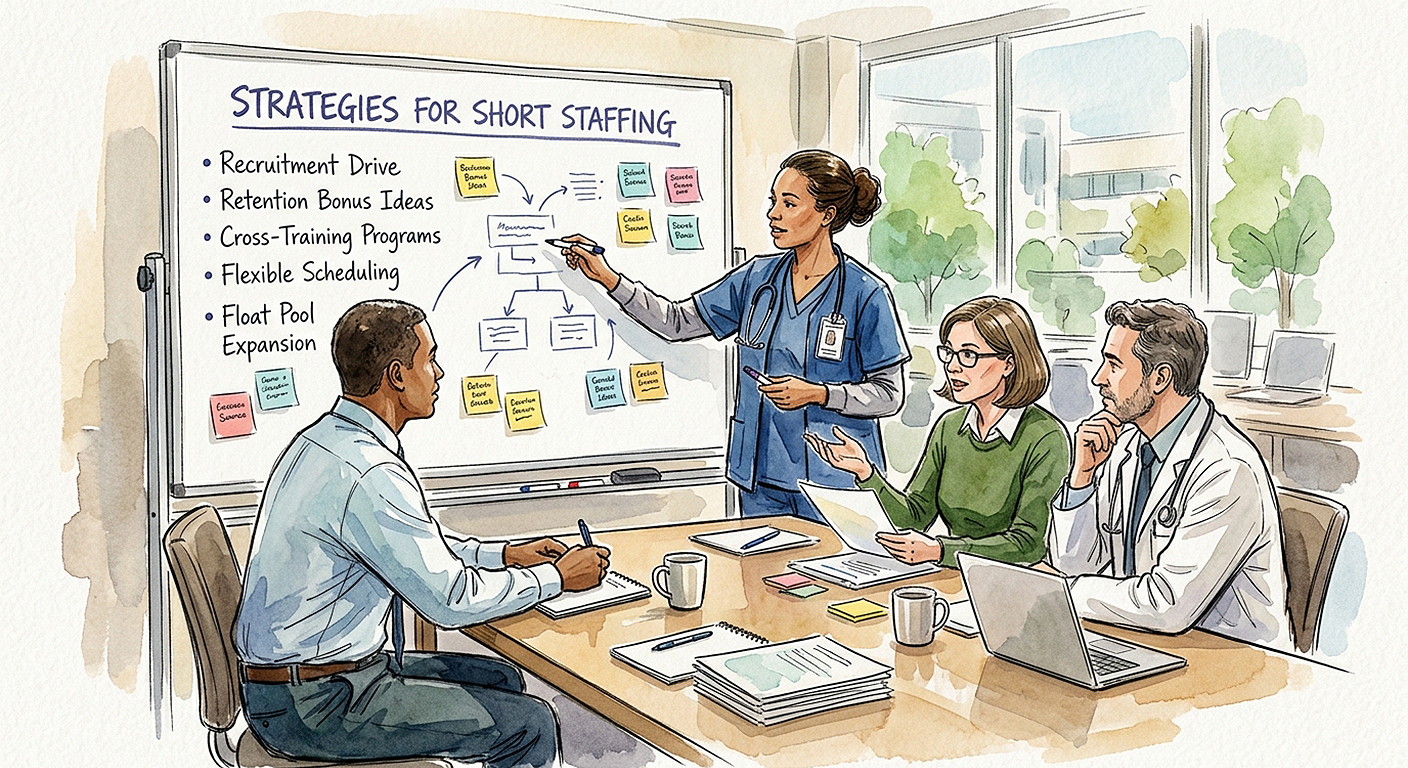

The Impact of Staffing Shortages on Healthcare Leadership

Healthcare organizations are facing a workforce crisis that is reshaping nearly every aspect of care delivery and organizational strategy. Staffing shortages have become one of the most urgent challenges confronting hospitals, clinics, long-term care facilities, and health systems across the country. While the immediate consequences are often seen in patient …

How to Develop Strong Decision-Making Skills in Healthcare

In healthcare, the quality of decisions directly affects patient outcomes, operational efficiency, team cohesion, and the financial health of an organization. Whether you’re a clinician, administrator, or healthcare leader, the ability to make confident, informed decisions is one of the most valuable skills you can develop. Yet healthcare settings often …

How to Improve Operational Efficiency in Healthcare Organizations

In today’s complex healthcare environment, operational efficiency is more than just a financial metric—it’s a reflection of how effectively an organization delivers patient-centered care while managing costs, staff well-being, and compliance. For healthcare leaders, the ability to streamline operations can mean the difference between thriving and merely surviving in an …

How Digital Transformation is Changing Healthcare Leadership

Healthcare is undergoing a profound transformation, driven by digital technologies that are redefining how care is delivered, experienced, and managed. From telehealth and AI-driven diagnostics to electronic health records (EHRs) and predictive analytics, digital transformation is not just a technology shift—it is a leadership challenge. Healthcare leaders must now navigate …

The Importance of Clear Communication in Healthcare Leadership

In healthcare, where life-altering decisions are made daily, clear communication isn’t just a desirable skill—it’s an essential leadership competency. Whether addressing patients, coordinating interdisciplinary teams, or managing system-wide initiatives, healthcare leaders must communicate with precision, empathy, and clarity. Misunderstandings can lead to compromised care, employee dissatisfaction, and costly mistakes. Conversely, …

The Role of Emotional Intelligence in Healthcare Leadership

In the dynamic world of healthcare, leadership is about more than just technical expertise and operational efficiency. It is also deeply rooted in the ability to connect, communicate, and lead with compassion. Emotional intelligence (EI), often referred to as emotional quotient (EQ), plays a vital role in determining the effectiveness …

The Core Traits of an Effective Healthcare Leader

In a rapidly evolving and increasingly complex healthcare landscape, effective leadership is more vital than ever. Healthcare leaders are not only tasked with ensuring high-quality patient care but also with navigating operational challenges, regulatory requirements, workforce management, and technological innovation. The pressure to lead effectively is constant—and it demands a …

How to Transition from Clinician to Healthcare Leader

Making the leap from clinician to healthcare leader is a significant and rewarding career move. Whether you’re a physician, nurse, pharmacist, or allied health professional, stepping into leadership requires a shift in mindset, skill set, and perspective. It’s no longer just about delivering excellent patient care—it’s about leading teams, influencing …

Overcoming Resistance to Change in Healthcare Organizations

In today’s fast-evolving healthcare environment, change is not only inevitable but essential. From the implementation of electronic health records (EHRs) and telehealth platforms to policy shifts and evolving patient expectations, healthcare organizations must constantly adapt. However, resistance to change remains one of the most significant barriers to progress. For healthcare …